
The Makers
Hands That Hold
Centuries of Memory.
Every TSINGPU piece is made by a master who inherited their craft from the generation before. Here are their stories.
The Makers
Every TSINGPU piece is made by a master who inherited their craft from the generation before. Here are their stories.
Our Approach
We do not work with factories.
We work with families.
With individuals who woke up at five this morning
to stoke the kiln or mix the indigo vat.
— How We Choose Our Artisans

Master Artisan
At 64, Zhou is one of only twelve living masters of Nanjing Yunjin brocade weaving. She works on a loom that is taller than a doorway, using a technique called "cutting the flower" — lifting individual warp threads by memory, without a pattern drawn on paper.
Zhou began at 16, apprenticed to her mother. She now trains the next generation in her studio near the Qinhuai River.
The "yunjin" technique uses gold and silver foil beaten into threads so fine they are measured in microns.
Each TSINGPU clutch passes through Zhou's hands for 72 hours. No two are exactly alike.
Master Artisan
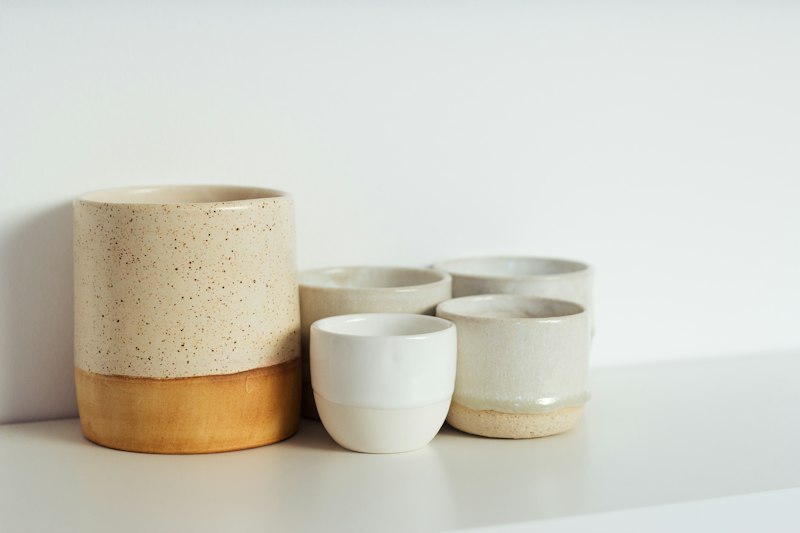
Wu's kiln sits in a valley outside Jianyang, Fujian — the same valley where Song-dynasty potters fired the original tenmoku bowls for the Emperor's tea ceremony 800 years ago.
Of every ten cups Wu fires, only three survive the kiln. The rest crack from thermal shock or glaze imperfections.
The distinctive oil-spot glaze comes from local clay with 8% iron content, reduced in a wood-fired kiln for 30 hours.
The flame writes the pattern. Wu controls the heat, but the final surface is always a collaboration with chance.
Support the Makers
10% of every sale goes directly to our artisan training fund, ensuring these techniques survive into the next century.